Multicultural Marketing Gets Smarter When AI Understands The Context Behind The Data
Monique Nelson, Executive Chair of UWG, explains how marketers who know a community turn fast audience data into work that lands with the people it was built for.
.svg)
Data alone won't get you to the answer. We have to infuse a bit more humanity into it and learn how those two things dance together.

If this caught your attention, that’s not accidental.

The best editorial systems don’t happen by accident. Outlever builds them.


Brands are marketing to more culturally specific audiences, and more of the execution now runs through AI systems and the data platforms alongside them. Those tools work from a record of what an audience did. Marketers who know a community can explain why, and a brief that carries the explanation gives those systems a sharper starting point.
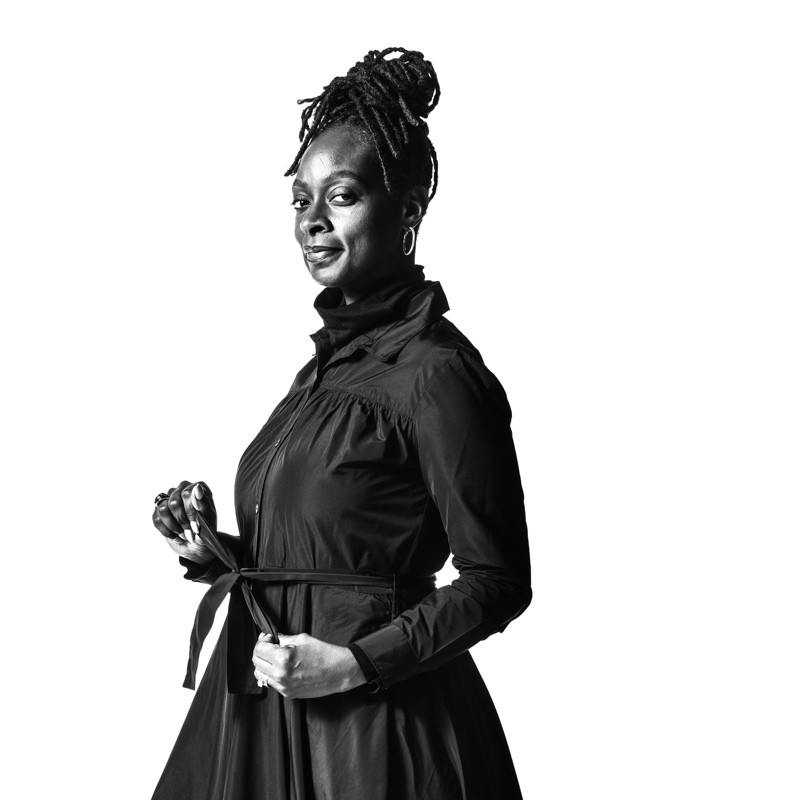
Monique Nelson is Executive Chair of UWG, one of the first multicultural advertising agencies in the United States, which built its business on that kind of knowledge for clients including Ford and the National Pork Board. She spent close to two decades on the brand side first, at International Paper and then at Motorola, where she worked in global brand strategy and lived across Asia, Europe and South America, learning each market by watching how people there took up a technology that was new to them. Nelson bought the controlling stake in the agency in 2012 and has run it since. UWG was named Ad Age's Multicultural Agency of the Year in March, a first in its history, and in June she served as jury president for Glass: The Lion for Change at Cannes Lions.
Each technology shift she has worked through changed how brands come to know the people they sell to, and her attention now sits on what AI adds to multicultural marketing. UWG runs its own proprietary cultural intelligence dataset for that job, the UniCultural Intelligence Network (UIN), built to explain why an audience behaves the way it does.
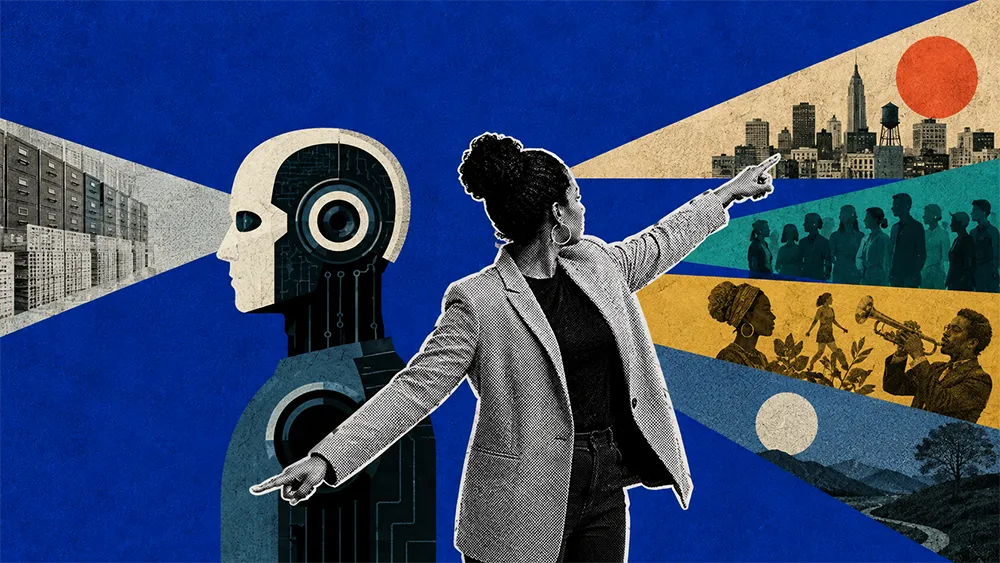
"Data alone won't get you to the answer. We have to infuse a bit more humanity into it and learn how those two things dance together," says Nelson. People who know a community can say what a number means before a campaign gets built on it. Teams that pair the two get more out of what their systems produce.
What the numbers don't say
Companies adopted AI tools quickly, and the decisions about where each one fits came after. Earlier platforms followed the same pattern. "We've seen it through the internet. We've seen it on mobile. There's always this rush to the new shiny thing," says Nelson.
A system that reads purchase history can tell a marketer which group bought a product. Whether that group is the reason it sold, or whether something else is at work, like where people live or a scene they belong to, takes another kind of information. Briefs go wrong when a team assumes the first answer. UIN pairs the purchase data with the context a strategist adds. "The algorithm only looks backwards, so we're telling you there may be more to it. Let's put some context around that data so that you know how to use it," Nelson says.
Sneaker collectors, the people who follow releases closely and buy for the culture around the shoes, live in every country, so one demographic label describes the group poorly. Finding the people who move the category takes asking where a trend started. Audiences notice when a brand gets it right, and they pay closer attention to advertising that reflects their culture. "There are sneakerheads of all kinds all over the world. There's a subset driving the trends among sneakerheads, and then there's a subset consuming that, and you can talk to those two groups very differently," she notes.
Before the work ships
Ten people can look at the same photo of a person's face and describe ten different emotions. Someone from that person's community will read it closest to right. Marketing teams face that gap whenever they judge creative for a group they know from a distance. "If you look at something through a very narrow lens, you're only getting a snapshot, and you tend to make assumptions about what you believe that means," Nelson explains.
Someone with that knowledge belongs on the work before it goes out, and the same attention goes to what the tools produce. Review counts for more now that AI handles more of the production, which raises the value of specialized judgment on a marketing team. "It's a fantastic tool, and I use it every single day. I treat it almost like another employee, and I scrutinize what I get back," she says.
Good ideas need translation
Glass drew 122 entries this year from markets around the world, and the same problems surfaced in one country after another. Each answer was built locally. Tecate's employment program for Mexicans returning home from the United States speaks to return migration, which shows up across many markets, and a brand in any of them could build its own version. "These aren't just unique problems, but they are unique solutions that we can all learn from," says Nelson.
AI can tell a marketer what an audience is doing in minutes, and the reasons behind it come from time spent with people. That comes from travel and from watching how an audience lives day to day. "I encourage people to get out and hear more stories and start to figure out where the similarities are, especially globally. We're overlooking the fact that there are so many solves for the things that we're questioning, and a lot of it will come through conversation and being together," Nelson concludes.
Don’t miss the next one.
Get our latest pieces in your inbox. Leave whenever you want.