AI Max Is Firing the Account Manager. Google Set Two Dates to Finish the Job.
Google is making AI Max the default and moving manual search controls off the table on a set schedule. The marketers who decide what the system optimizes for keep control of the spend.

If this caught your attention, that’s not accidental.

The best editorial systems don’t happen by accident. Outlever builds them.

For a decade, paid search was a craft of keywords, match types, and the human judgment to know which query was worth a bid. Google is ending that era, and the dates are already on the calendar.
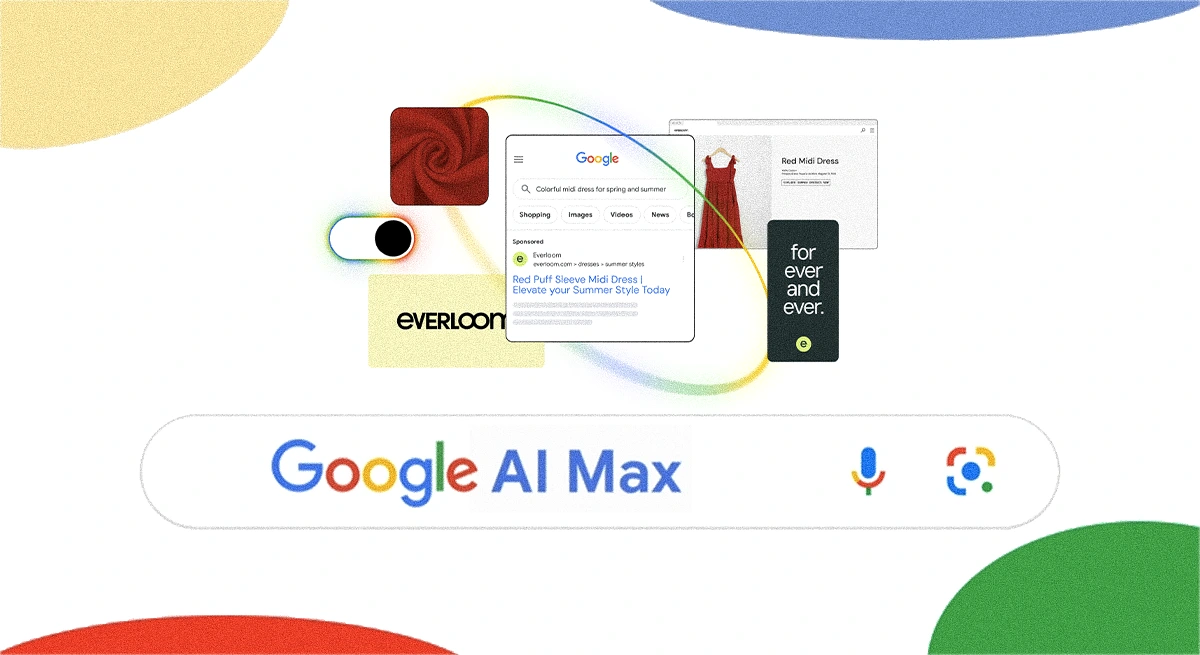
In its own announcement, Google confirmed that campaigns built on Dynamic Search Ads, automatically created assets, and campaign-level broad match will move to AI Max automatically. AI Max is no longer a beta to opt into. Google has made it the default when a marketer creates a new Search campaign, and the legacy formats are being retired underneath the accounts still running them.
The clock is really two clocks
Google's June update announced a delay from the original timeline, but that delay matters less than what it left untouched. Automatically created assets and campaign-level broad match still convert to AI Max in September 2026, on the original schedule. Dynamic Search Ads got a reprieve to February 2027, with new DSA creation ending in January. All of them still end up on AI Max. June pushed the date out, and that is the only thing it changed.
What AI Max actually takes over
AI Max expands which queries an ad matches, rewrites the creative, and selects the landing page, all inside Google's models. Google frames the change as the answer to search behavior that has grown too complex to capture with keyword lists, pointing to a number it has cited for years: roughly 15 percent of daily searches have never been seen before.
Google reports that campaigns using the full AI Max feature set see an average of 7 percent more conversions or conversion value at a similar cost per action, measured against search-term matching alone, for non-retail advertisers. For accounts running broad match on autopilot already, that 7 percent is money.
The control coming off without a request
Call it an upgrade if you want, but the manual lever is on its way out. AI Max now switches on by default for new campaigns, and the legacy formats migrate on Google's timeline whether or not a team acts. Some accounts are already being shaped by it through interface prompts and default settings, which means the change is underway before any explicit sign-off.
If a brand has strict voice or compliance rules, this is where it gets dicey. The AI copy is hit or miss, and Google now puts a label on ads with automated elements. A marketer who turns on AI Max and walks away gets some lift and some waste they never see, because the system broadens the query pool first and asks questions later.
The pattern is bigger than Google
Meta is making the exact same move, only on search instead of social. The platform decides the operator should describe the outcome and let the system handle the mechanics. Convenient, until the system optimizes for the platform's revenue instead of the brand's pipeline.
Marketers who want that autonomy without surrendering it to a single ad network are running search, social, and content together, with the brand setting the rules rather than the network. An agentic platform gives a team that orchestration across every channel, building assets with automation that works toward one strategy instead of a dozen platform defaults. Google just put the question on a deadline. The work now is deciding whose objective the machine serves before the calendar decides it.
Don’t miss the next one.
Get our latest pieces in your inbox. Leave whenever you want.