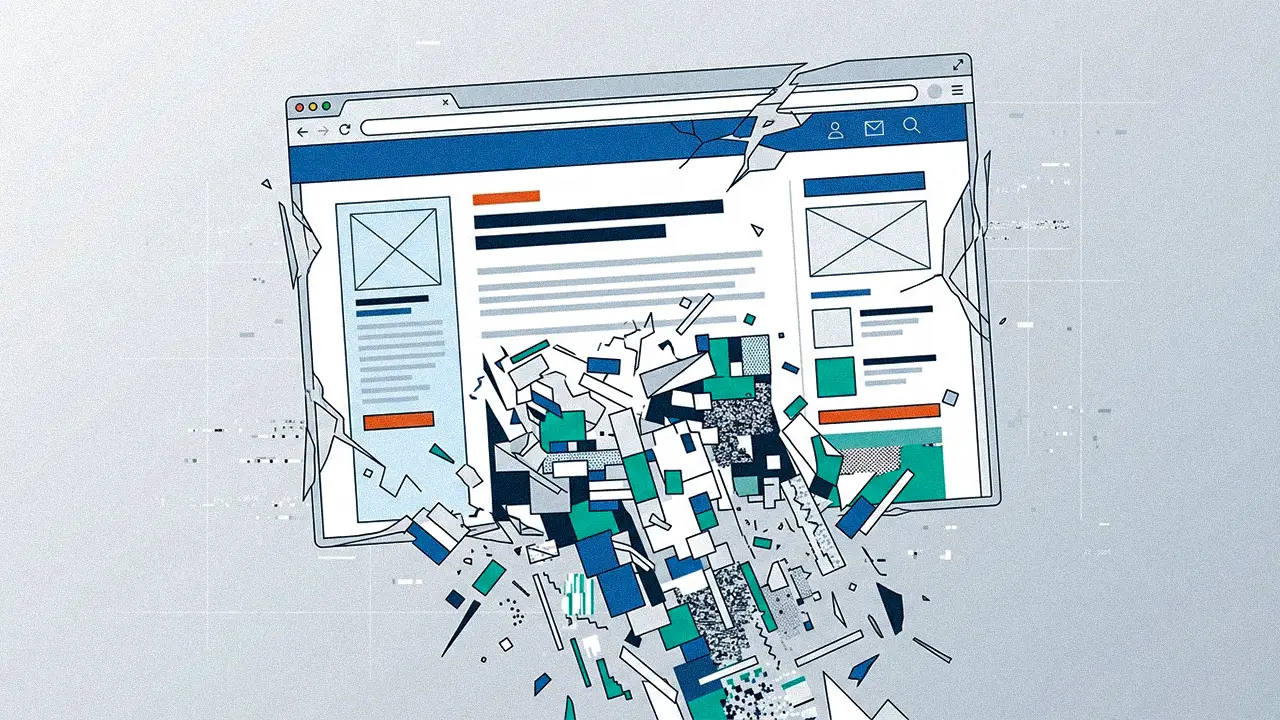
Marketing's Next Requirement Is a Running Record of Every Move Its AI Agents Make
Anzour Jallouqa on why the pressure coming for marketing teams isn't which model they run, but whether they can account for what it decided on its own.
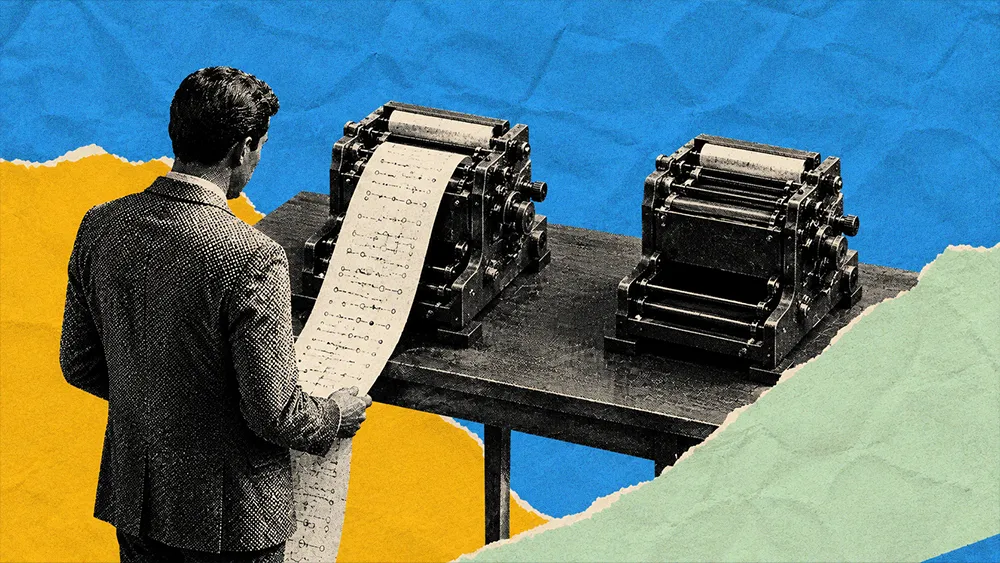

The question isn't going to be which AI you're using. It's going to be what you decide for it to do, and who's going to be watching it.


If this caught your attention, that’s not accidental.

The best editorial systems don’t happen by accident. Outlever builds them.


Marketing teams are handing real autonomy to AI agents, letting them shift budgets, adjust campaigns, and act on signals faster than any person could. Most of those teams can't yet reconstruct what an agent did on its own, what set it off, or whether anyone approved it. That blind spot is survivable while the stakes stay low. It stops being survivable the moment an autonomous change moves money or touches regulated data, and the demand that follows is a clear record of every decision an agent made and why.
Anzour Jallouqa is Chairman of Titan Ridge Capital, a holding company with positions across healthcare technology, enterprise software, and AI. He also runs Data Labs, an identity-resolution and attribution product that grew out of his agency's healthcare work, cleaning up the signal platforms receive from Google and Meta, and now runs on agents that read a client's data and forecast the next 30 to 90 days. That vantage, sitting between marketing automation and regulated patient data, shapes his view that the next pressure on marketing teams centers on accountability, on what they can prove about how their agents behaved. "The question isn't going to be which AI you're using," says Jallouqa. "It's going to be what you decide for it to do, and who's going to be watching it."
The record nobody's keeping yet
Jallouqa's central point is that autonomous systems need a running audit trail, a log of every change, what triggered it, and whether a person signed off. The reason is the compounding nature of the technology. An agent learns from the data it ingests and from its own trial and error, so a single autonomous change can cascade in ways that are hard to trace after the fact. "The audit trails themselves, regardless of the sector, are going to be the security guardrails that need to be focused on," he says.
That record mostly doesn't exist today. Fewer than 40 percent of organizations monitor their AI systems end to end across prompts, tool calls, and outputs, and only a small fraction track what agents do when they interact with each other, which leaves most teams proving what happened from memory when something breaks.
When the spend runs away
His example is the kind of thing an accounting department notices first. A marketer caps Google Ads spend at $5,000 and hands the agent autonomous control. The agent reads a trend, decides the opportunity is worth it, and pushes the number to $30,000. Shareholders and finance want to know what happened, and the team has to work backward to find whether a person approved the jump or the system made it alone.
Jallouqa frames this as a cost that compounds with the size of the budget, and he notes that existing protections often catch problems only after the damage lands. He points to click-fraud tools that flag an invalid click after it's already been paid for, which on a $300,000 monthly ad spend can mean a 20 to 30 percent burn before anything intervenes.
Regulated industries go first
Jallouqa expects the demand for this kind of accountability to surface first where compliance already forces the question. In healthcare, procurement and HIPAA mean not every vendor clears a compliance check, and interconnected departments, from clinical to legal, raise the stakes on knowing who or what implemented a change. The same pressure applies in law and logistics, trades where a clear chain of responsibility is already the norm.
From there he sees it reaching everyone, because the underlying problem isn't unique to regulated work. He's also skeptical that a single company will own the guardrails. The stack is full of plugins, gateways, and protocols, so he expects a mix of large players and specialized micro-markets to supply the safeguards agent by agent rather than one platform covering them all.
Built like a company, watched like one
On how teams differentiate when everyone reaches for the same models, Jallouqa starts with the ideal customer profile, the specific psychographic and demographic picture of who a brand is targeting from click to conversion, which is the context a general model can't supply on its own. He builds his own models like an org chart, with web, sales, analytics, audit, and logistics "heads" inside one system so it can reason from start to finish instead of losing information as it passes between departments. Underneath the tooling, his read on where marketing lands is a divergence.
He puts real developer-level AI capability, not prompt fluency, as what separates the teams pulling ahead over the next 12 to 18 months, and he still expects most revenue in many businesses to come from the human side of the relationship, which is why he thinks the market needs a more humanized version of these agents before customers fully trust them. AI stays a tool whose value depends on how much weight a team puts on it, and in his framing the responsibility for the outcome stays with people.
Don’t miss the next one.
Get our latest pieces in your inbox. Leave whenever you want.