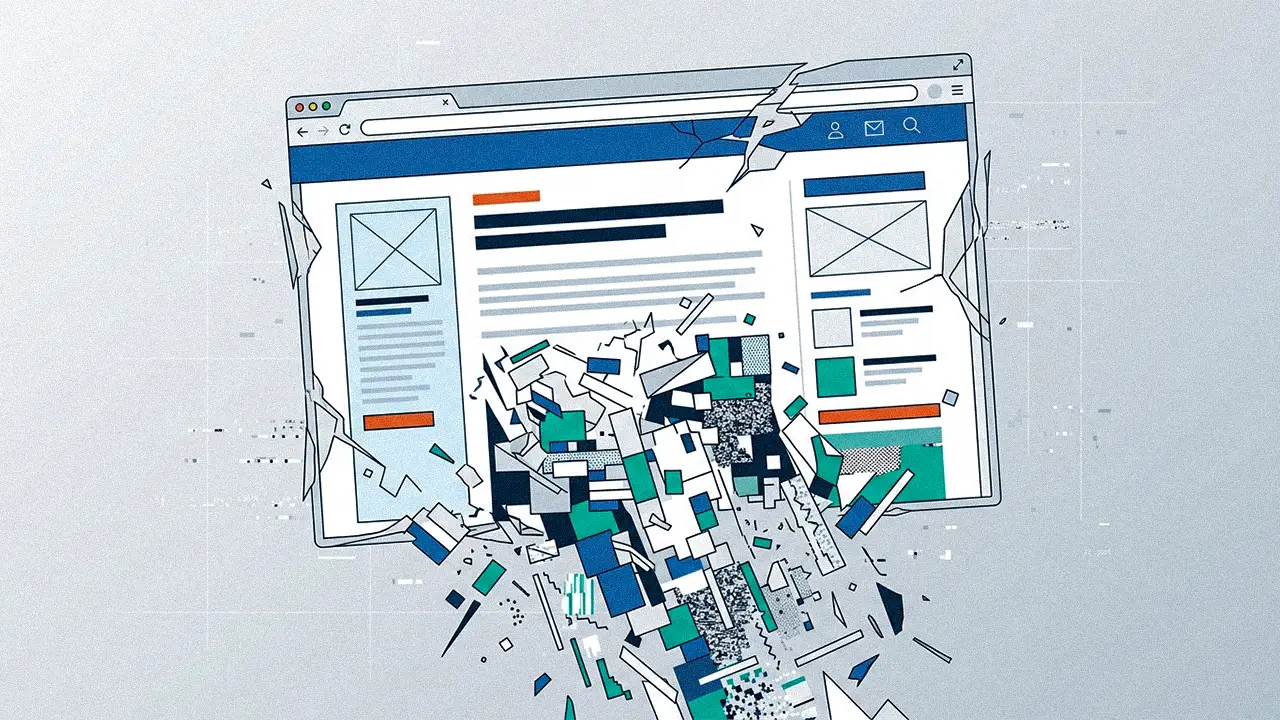
Reputation Management Becomes A Search Discipline As AI Answers Hinge On Independent Sources
Eric Siversen, Founder of InnovAit AI, explains why AI answers name the brands that outside sites vouch for, and where that work now sits.
.svg)
SEO was always based on your website and your keywords. Now it's your reputation.


If this caught your attention, that’s not accidental.

The best editorial systems don’t happen by accident. Outlever builds them.


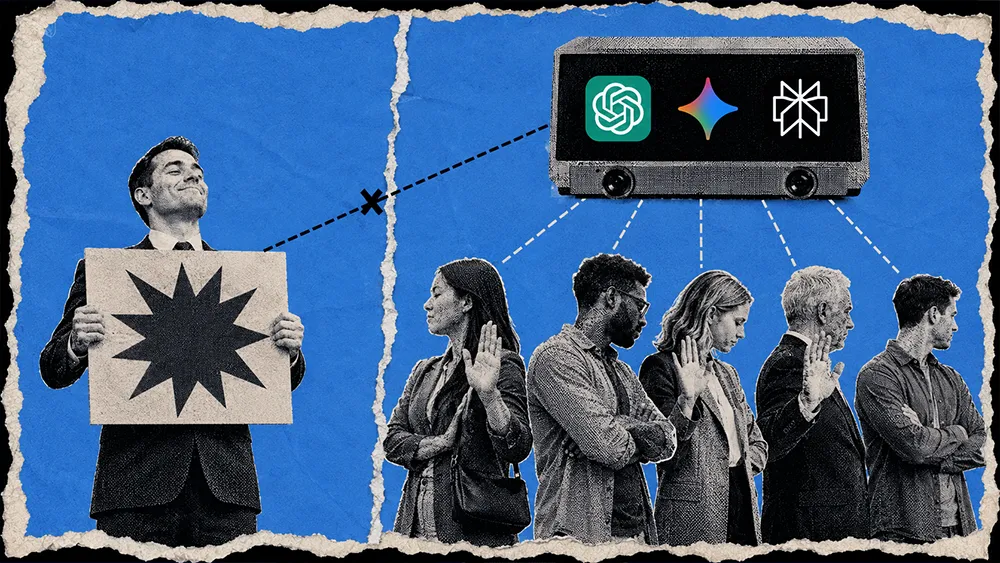
A roofing company can call itself the best in town on its own website. But an LLM is more likely to repeat that claim when it finds the same reputation reflected across review sites, forum threads and local directories. AI search is shifting visibility away from what a brand says about itself and toward what the wider web says about it.
Eric Siversen is the Founder of InnovAit AI, a South Florida agency that helps brands get cited by ChatGPT, Gemini, Perplexity and Google’s AI Overviews. He began building websites and working in SEO in 2008, then spent more than a decade launching consumer products and selling them through Amazon, Walmart and other marketplaces. After expanding into lead generation and automated outreach, he moved into AI search by testing the approach on his own brands.
“SEO was always based on your website and your keywords. Now it’s your reputation,” Siversen says. A company’s own content still gives models something to read, but outside validation increasingly determines whether they trust it enough to recommend. That makes AI visibility a broader reputation challenge spanning search, PR, partnerships and customer conversation.
Word of mouth, machine edition
A model searches the web itself before it writes an answer. Google calls this a query fan-out technique, splitting a question into subtopics and searching them all at once across several data sources before combining what comes back into one response. ChatGPT and Perplexity do the same. One shopper question turns into a dozen separate queries, and a brand can get picked up by several of them without holding the top search ranking for anything the shopper typed.
A company does not have to cover all dozen. Missing on price does not rule out getting named on durability or support. Each subquery is answered separately, so one response can pull from sites that never competed against each other in a ranking. "Now they're looking everywhere for those results, and they want everybody else to trust you as the source before they cite you," Siversen says.
Reddit's content licensing deal with Google runs to roughly $60 million a year, paid for an archive of human conversation that feeds answers without sending anyone back to the thread. Review platforms, trade publications, industry directories and customer communities serve the same purpose for a brand, which puts part of AI search work onto PR and partnerships teams.
Beyond the backlink
Link building used to be measured by where it moved a page in the results. Google organic referrals across more than 2,500 news sites fell by roughly a third between November 2024 and November 2025, so the same position now returns fewer visits. "AI overviews have basically cannibalized those links. It's not completely level, but it's more of a level playing field than it was before," Siversen notes.
The technical basics haven't gone anywhere. A site that renders a blank page to a crawler never gets read, and content that a model can parse is what lets it pull a specific claim out of a page. Off page work now aims at getting a brand described the same way across the sites a model checks. "SEO is still super important. It doesn't go away, but the target is different now, and off page work that wasn't as important before is where a lot of it sits," Siversen adds.
An established company usually has more coverage on outside sites, so age still counts. But answers get built one question at a time, and a newer company that covers a narrow topic well can show up in that answer.
The new digital real estate
Product discovery is moving into the chat window. OpenAI rebuilt shopping inside ChatGPT this year so people can describe what they want, upload images and compare options without leaving the conversation.
"Two or three years from now everybody's going to have their own agent doing the shopping and the searches and bringing the work back to them. But where do you think it's going to get that data?" Siversen says. An agent has to pull its information from somewhere, and that somewhere is the set of sites the model already reads. The same shift lands on the sales team. A buyer whose assistant has already run the comparison arrives with pricing ranges, competitor names and objections the model raised without being asked.
This work takes months, and there is no ranking to check along the way. It gets harder the longer a company waits, because a competitor's mentions keep accumulating in the meantime. Companies that got into Google early held their spots for years. "If I could tell you 20 years ago to get involved in Google, would you do it? Of course you would. It's the same situation. It's digital real estate," Siversen says.
Don’t miss the next one.
Get our latest pieces in your inbox. Leave whenever you want.